
2026-10-24 · Michael 'Mike' Thompson
Preventing Winter Drain Freezes in Salisbury Homes
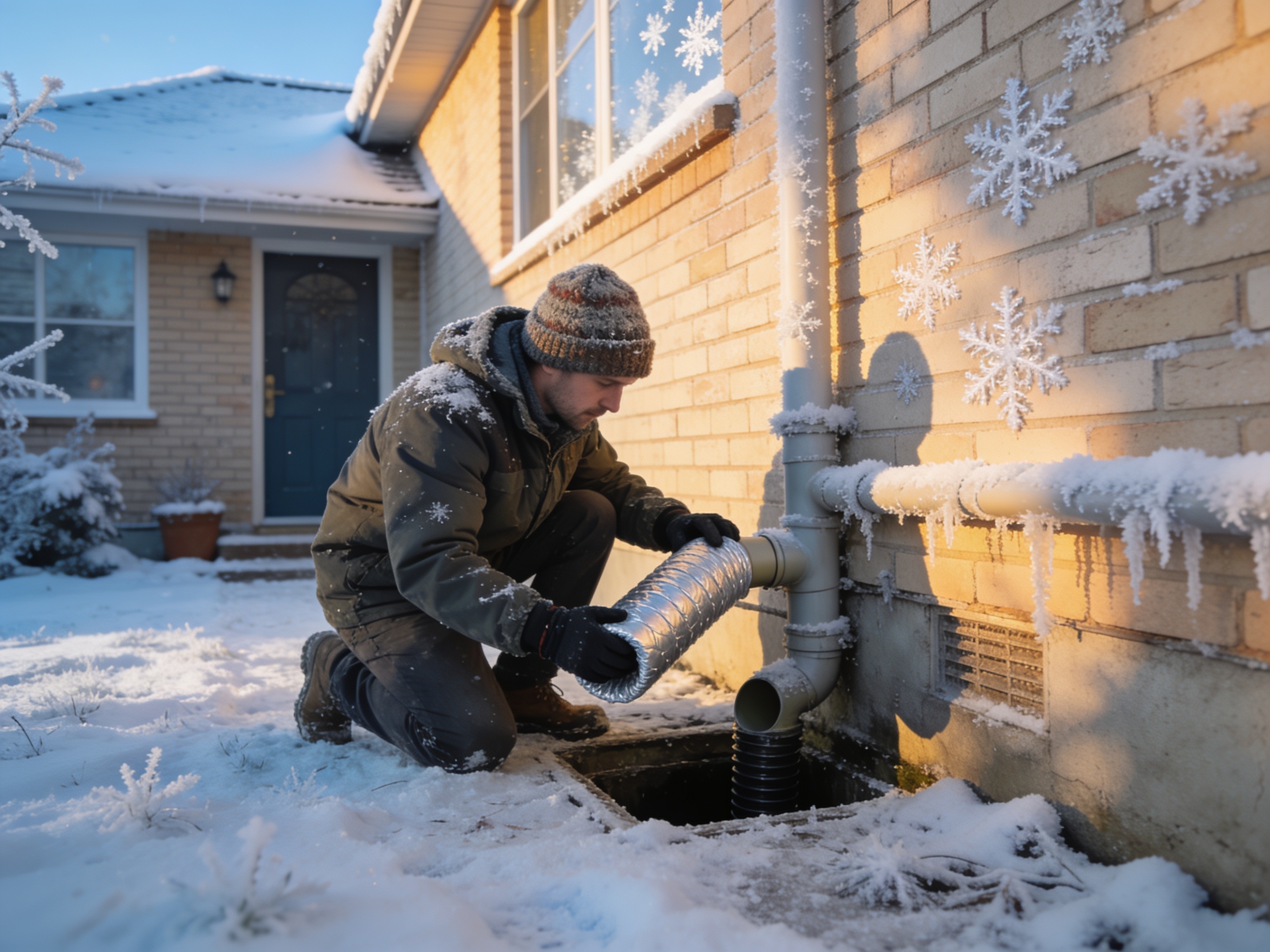
Preventing winter drain freezes in Salisbury homes is entirely possible with proactive measures, primarily focusing on insulation, consistent warmth, and proper outdoor drain maintenance. While Rowan County experiences a humid subtropical climate with generally mild winters, occasional cold snaps can drop temperatures below freezing for extended periods, especially overnight. This puts older homes in areas like the Salisbury Historic District or West End, often with exposed plumbing in crawl spaces or basements, at higher risk. Addressing these vulnerabilities now can save homeowners the significant cost and inconvenience of burst pipes, which can range from a few hundred dollars for a minor repair to thousands for extensive water damage.
Understanding Salisbury's Winter Drain Freeze Risks
Salisbury's climate, characterized by hot, humid summers and mild winters, might lead some to underestimate the risk of frozen pipes. However, even short durations of freezing temperatures, particularly when combined with high winds, can cause water inside uninsulated pipes to expand and burst. Homes in Downtown Salisbury or East Spencer, many of which are older and were built before modern insulation standards, are especially susceptible. Basements, crawl spaces, and exterior walls often house vulnerable drain lines. When temperatures dip into the 20s or lower for several consecutive nights, as can happen during a typical Salisbury winter, the risk escalates significantly. Understanding these local conditions is the first step in effective prevention.
The type of plumbing materials also plays a role. While copper pipes are common in many older homes, PVC and PEX are more prevalent in newer constructions. While PEX has some flexibility, no pipe material is completely immune to freezing if the water inside it freezes solid. Furthermore, outdoor drains, including storm drains and those connected to outdoor faucets, are particularly exposed. Residents near landmarks like Dan Nicholas Park or the Salisbury National Cemetery, often with larger lots and more extensive outdoor plumbing, need to pay special attention to these external lines.
Insulating Exposed Pipes and Crawl Spaces
One of the most effective strategies for preventing drain freezes in Salisbury is to properly insulate any exposed pipes. This includes pipes in unheated basements, crawl spaces, attics, and along exterior walls. For homes in neighborhoods like Spencer or the West End, where older construction is common, checking these areas is crucial. You can use foam pipe insulation, available at local hardware stores, which is inexpensive and easy to install. Wrap both hot and cold water pipes, paying extra attention to bends and joints where insulation might be thinner.
Beyond individual pipes, consider insulating your crawl space or attic itself. Sealing air leaks and adding insulation to these areas will help maintain a consistent temperature, protecting all the plumbing within. For instance, if you have a main sewer line running through an unheated crawl space, ensuring that space is adequately insulated can prevent a major blockage from freezing. This comprehensive approach is more effective than just insulating a few feet of pipe. For more insights on maintaining your home's plumbing, you might find our article on DIY Drain Cleaning Tips for Salisbury Homeowners helpful.
Maintaining Consistent Indoor Temperatures
Keeping your home consistently warm, even when you're away, is vital during cold snaps in Rowan County. While it might be tempting to lower your thermostat significantly to save on energy bills, allowing indoor temperatures to drop too low can put your pipes at risk. Aim to keep your thermostat set to at least 55°F (13°C), especially overnight or when you're out of town. This ensures that the ambient temperature around your pipes, even those in less-heated areas, remains above freezing.
For homes with plumbing located in cabinets along exterior walls, such as under kitchen or bathroom sinks, open the cabinet doors. This allows warmer room air to circulate around the pipes, providing an extra layer of protection. This simple step can make a significant difference, particularly for homes in the Salisbury Historic District where older plumbing might be closer to uninsulated exterior walls. While this won't prevent a deep freeze in a completely unheated space, it can be a crucial safeguard for pipes in semi-exposed locations.
Addressing Outdoor Drains and Faucets
Outdoor drains and faucets are particularly vulnerable to freezing in Salisbury's winter. Before the first hard freeze, it's essential to disconnect all garden hoses from outdoor spigots. Leaving a hose connected can trap water in the faucet and the pipe leading to it, which can freeze and cause the pipe to burst. After disconnecting, if your outdoor faucets have separate shut-off valves inside your home, turn them off and then open the outdoor spigot to drain any remaining water. This creates an air gap, preventing water from being trapped and freezing.